For Occupational Therapists (OTs)
You help people live on their own. Then you have to walk out the door.
OTs live in a reactive world, with little help on the tech side. NestCara is built to carry that load.
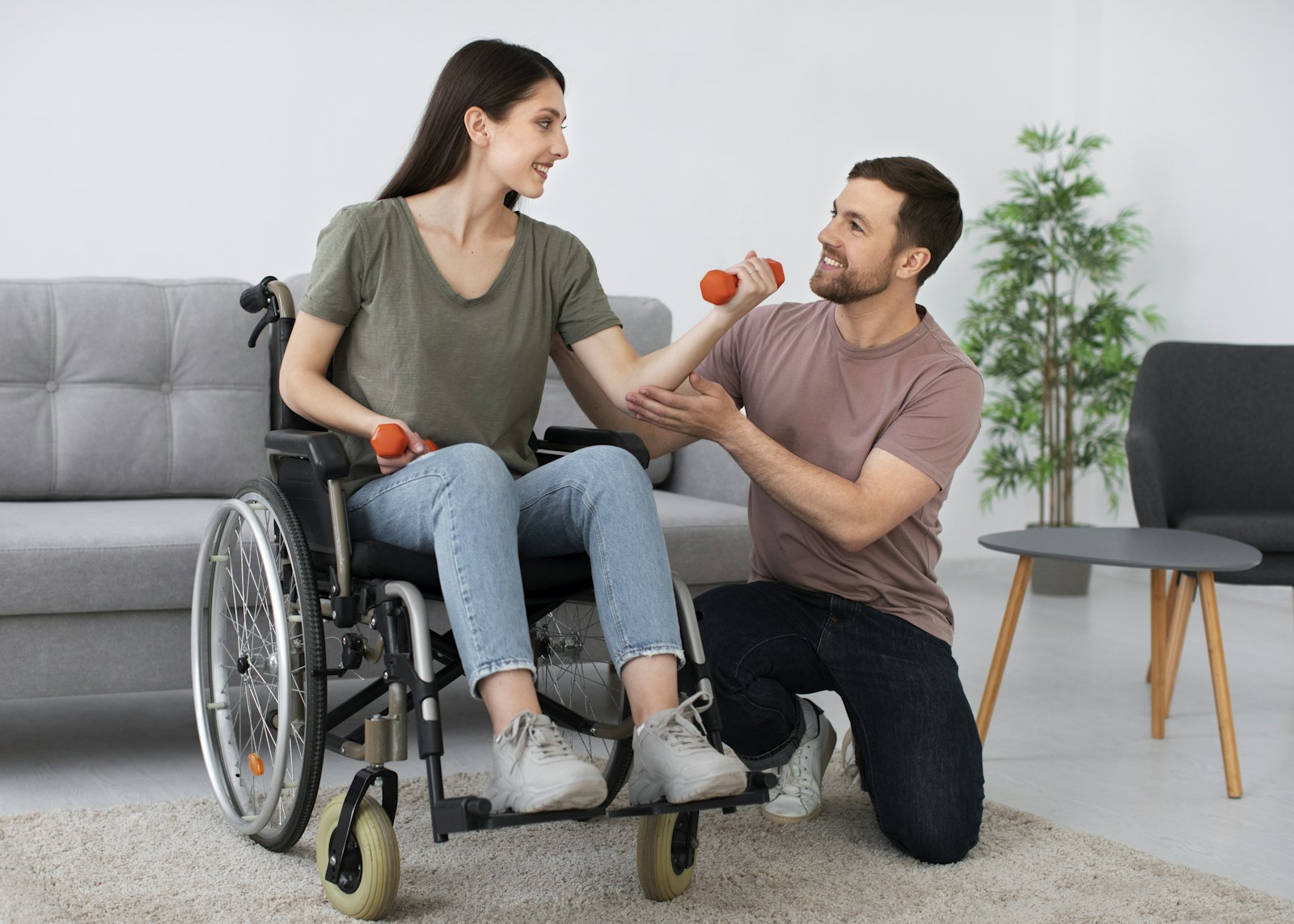
What we heard
Occupational therapists, rehab teams and assistive technology leaders told us what gets in the way.2
Your hair is on fire.
Labor is short and time is shorter. Every day is reactive: the next fall, the next assessment, the next discharge, and keeping someone out of the hospital.1
Nobody helps you adopt tech.
You're not afraid of technology. But there's no education, no training and no support, so clinicians stay tech-light in practice. Not by choice.2
Falls hide from the record.
More than 1 in 4 older people fall each year, but less than half tell their doctor. Falling once doubles the chance of falling again.3
Too many people get no OT at all.
One home safety founder told us he estimates about 15 million people in value-based care are at high fall risk and getting nothing, because an in-person OT is hard to get and nothing makes it back to the health record.2
Demand keeps growing.
OT jobs are projected to grow 15% from 2025 to 2035, with about 10,000 openings each year, as the older population grows.4
If it isn't simple, it won't happen.
Therapists need simple tools for quality of life, compliance, nudging, fall detection and behavioral support. If a tool adds work, a busy team can't take it on.1
How NestCara helps
NestCara keeps the plan of care going between visits.
- Nudges between visitsReminders on the TV for exercises, medicines and visits, plus a friendly daily check-in. Follow-through gets easier when the reminder is on the screen they use every day.
- Fall and fire safety built inFall Call for falls inside and outside the home. FireAvert for the stove.
- Check in without the driveVideo check-ins on the TV. Changes from the person's own normal get flagged, so you hear about them sooner.
- Built for remote therapeutic monitoringNestCara is built to support remote therapeutic monitoring (RTM) for the work that happens between visits.
- White-glove supportInstall, education and ongoing support are part of NestCara, not add-ons. The NestCara team takes on the tech, so you stay focused on your patient.
- Toward the recordWhat happens at home is built to reach the doctor's record, so your plan of care and the rest of the team see the same picture.
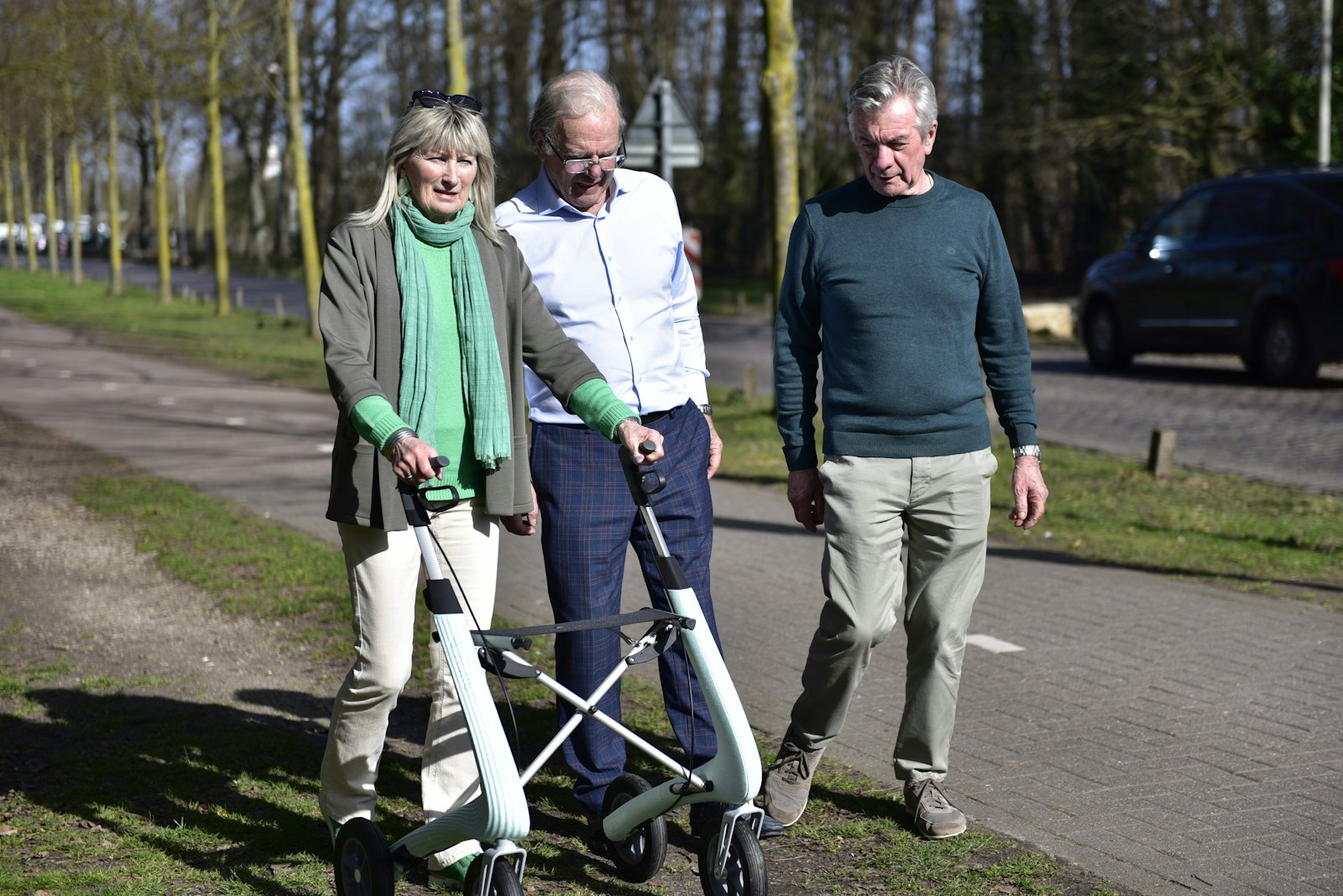
What it means for you
- Simple to recommend and simple to use.
- Fewer surprises between visits.
- Better follow-through on the plan you set.
- Your work at home seen by the whole care team.
Where you fit in the NestCara ecosystem
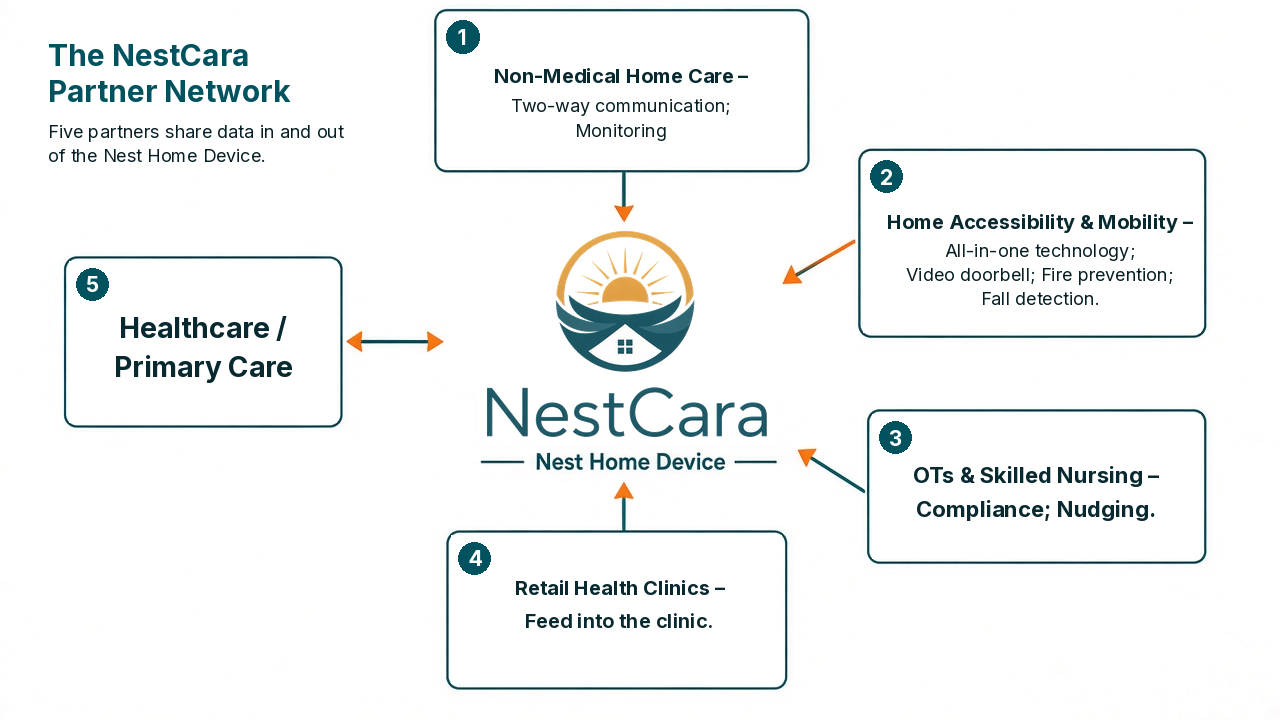
On the NestCara Partner Network, OTs & Skilled Nursing share one goal: compliance and nudging. Your recommendations become daily habits in the home.
Help shape NestCara for your patients
NestCara is not on the market yet. Therapists who talk with us now help decide how it supports the plan of care.
Sources
- 1. Long Haven Partners, research and channel findings summarized in the Master Business Plan, October 2026.
- 2. Long Haven Partners, 230+ interviews across manufacturers, healthcare, agencies and all 5 verticals, January to September 2026. Findings are paraphrased; no one is quoted by name.
- 3. CDC, Facts About Older Adult Falls (reviewed September 8, 2026): more than 1 in 4 older people fall each year, but less than half tell their doctor; falling once doubles the chance of falling again; about 4.5 million emergency department visits and 1.4 million hospitalizations each year; home hazards are a risk factor. https://www.cdc.gov/falls/data-research/facts-stats/index.html
- 4. U.S. Bureau of Labor Statistics, Occupational Outlook Handbook, Occupational Therapists: employment projected to grow 15% from 2025 to 2035, with about 10,000 openings each year. https://www.bls.gov/ooh/healthcare/occupational-therapists.htm
Statistics come only from the sources above. Interview findings are paraphrased and do not name the people we spoke with.